Built in Gas Fire Pit Cost USA: 2026 Price & Planning Guide
Built in Gas Fire Pit Cost USA: A Comprehensive Financial & Technical Guide
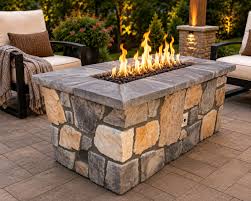
Integrating a built-in gas fire pit into an outdoor living space is one of the most effective hardscaping investments for US homeowners. Offering immediate heat, instant ignition, and smoke-free operation, gas fire features eliminate the ash cleanup, wood storage, and persistent smoke associated with traditional wood-burning pits. Whether constructed as part of a broader patio remodel or added as a standalone landscape feature, a built-in gas fire pit serves as a permanent architectural focal point.
However, accurately budgeting for this project requires looking far beyond retail burner inserts. Evaluating the overall built in gas fire pit cost USA property owners encounter involves analyzing fuel choices (natural gas vs. liquid propane), framing and masonry materials, underground utility extension fees, ventilation engineering, ignition technology, municipal permits, and trade labor rates. This guide breaks down current market pricing across the United States, compares structural configurations, presents practical installation scenarios, outlines budgeting frameworks, and details essential long-term maintenance practices.
Overview of Built in Gas Fire Pit Cost USA
An analysis of the built in gas fire pit cost USA market reveals an average overall installation range of $2,500 to $8,500 for standard residential builds. Basic prefabricated gas pit enclosures hooked up to short utility runs start around $1,500 to $3,000, while mid-tier custom masonry builds average $3,500 to $6,500. High-end architectural fire features with custom natural stone, automated electronic ignitions, extended gas lines, and integrated seating walls routinely exceed $8,500 to $15,000+.
+-----------------------------------------------------------------+
|                 US INSTALLED COST RANGE (TOTAL)                 |
|                      $2,500.00 - $8,500.00+                     |
+-----------------------------------------------------------------+
| [= Prefab Kit: $1,500-$3,000 =] [= Custom Masonry: $3,500-$6,500 =] [= High-End Custom: $8,500-$15,000+ =] |
+-----------------------------------------------------------------+
Core Concepts and System Mechanics
A built-in gas fire pit consists of a structural outer enclosure (enclosing a non-combustible interior structure), a drop-in stainless steel burner pan, an engineered gas burner ring or linear jet system, a protective valve control box, and decorative media such as fire glass or lava rock. Fuel flows from an underground pipe (natural gas) or a dedicated liquid propane (LP) tank enclosure through a key valve to the burner system.
Primary Cost Drivers in the US Market
-
Fuel Source & Utility Extension: Natural gas requires extending a gas line from the home’s main meter, costing $15 to $25 per linear foot. Long runs from the house meter to a distant patio corner add significant trenching and plumbing fees. Propane avoids long gas lines but requires either a built-in tank access door or a bulk underground tank installation.
-
Enclosure Material & Finish: Prefabricated concrete or glass-fiber reinforced concrete (GFRC) shells are economical. Custom block construction wrapped in natural stone veneer, stacked ledge stone, or high-end brick requires skilled masonry labor, pushing costs higher.
-
Ignition Technology: Match-lit manual valve systems are reliable and cost-effective ($200–$600 for the kit). Electronic push-button spark systems add moderate costs ($600–$1,200), while automated Smart/All-Weather Electronic Ignition Systems (AWEIS) with remote control capabilities add $1,500 to $3,500+ to the component line item.
-
Trade Labor & Permitting: Projects require licensed trades, including master plumbers for gas lines, electricians for automated systems, and masons for custom structural shells. Municipal permits for outdoor gas plumbing typically range from $150 to $500.
Key Categories, Fuel Types, and Construction Methods
Built-in gas fire pits are grouped into distinct categories based on structural enclosure design, fuel delivery method, and ignition complexity.
| Category / Type | Construction & Fuel Description | Common Use Case | Relative Cost & Labor Level (US) |
| Prefabricated GFRC Enclosure (Propane or NG) | Factory-cast glass-fiber reinforced concrete shell with drop-in burner; short line hookup or propane tank enclosure. | Suburban patio remodels, tight project schedules, modern minimalist aesthetics. | Lowest Cost ($1,500–$3,500 total) / Moderate Assembly |
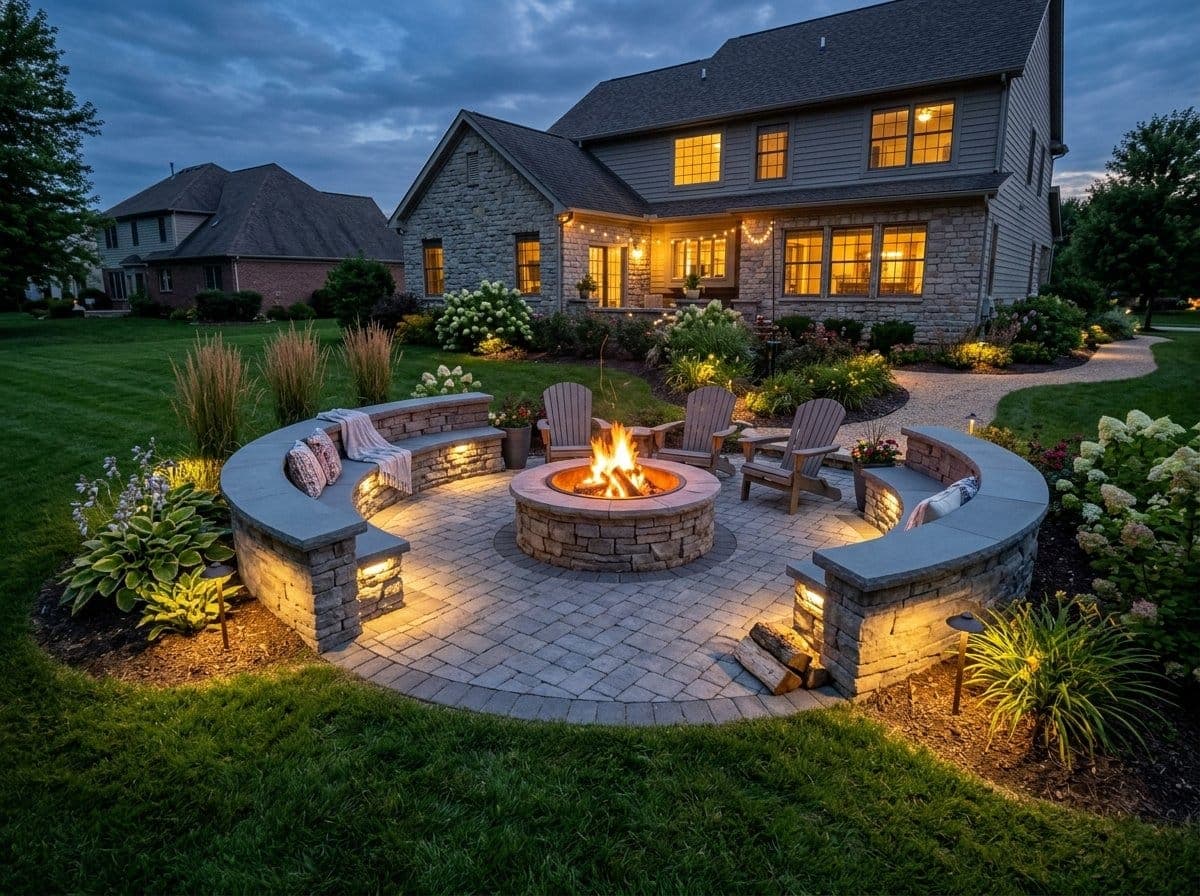
| Custom Concrete Block & Veneer (Natural Gas) | Cinder block wall structure anchored to a concrete pad, finished with stone veneer and a capstone top. | Traditional backyard patios, matching existing house masonry or retaining walls. | Mid-Range Cost ($3,500–$7,000 total) / Masonry & Plumbing Trade |
| Custom Natural Cut Stone (Natural Gas) | Heavy, hand-set natural granite, fieldstone, or limestone structure lined with firebrick. | Premium residential landscapes, rustic outdoor living rooms, high-budget builds. | High Cost ($6,000–$12,000 total) / Skilled Masonry Trade |
| Linear Architectural Gas Table (Natural Gas) | Long rectangular steel or smooth poured-concrete structure with electronic ignition and linear burner. | Modern architectural decks, pool landscapes, commercial-style residential lounges. | Highest Cost ($7,500–$16,000+ total) / Multi-Trade Installation |
Choosing Between Categories
Selecting the right fire pit configuration requires balancing site constraints, existing utility access, and design expectations. Prefabricated GFRC kits provide a fast installation path for existing patios where heavy structural masonry work is impractical. Custom block-and-veneer builds offer flexible sizing and allow complete aesthetic integration with existing home stone or brick finishes. When planning long-distance gas runs or automated flame features, budgeting for specialized trades and high-tier burner inserts becomes essential.
Practical Project Scenarios Across US Properties
Regional climates, available patio infrastructure, gas meter locations, and local building codes shape project outcomes across US states.
Scenario A: Suburban Patio Retrofit in the Midwest (Round 42-Inch, Natural Gas)
Retrofitting a 42-inch round custom concrete block and stone veneer fire pit onto an existing concrete paver patio 25 feet from the home’s natural gas meter.
-
Components & Materials: Concrete wall blocks, stone veneer, slate capstones, 304 stainless steel 31-inch drop-in pan, 18-inch spur burner, match-lit key valve kit, 25 feet of underground gas piping.
-
Process Steps:
-
Obtain municipal mechanical permit for gas line extension.
-
Trench 18 inches deep through lawn area from house gas meter to patio edge; lay CSST or polyethylene gas pipe with tracer wire.
-
Remove select paver stones, set a concrete base pad, and lay structural wall blocks anchored with landscape adhesive.
-
Mount stainless burner pan, install key valve shutoff, hook up gas connection, test line pressure, and apply stone veneer.
-
-
Relevance: Demonstrates a common suburban project retrofitting an existing hardscape, keeping overall installed costs between $3,800 and $5,500.
Scenario B: New Pool Deck Build in the Sunbelt (Linear 60-Inch, Electronic Ignition NG)
Constructing a 60-inch linear modern concrete fire pit integrated into a new resort-style pool deck build in Texas or Arizona.
-
Components & Materials: Cast-in-place smooth concrete shell, 54-inch linear stainless burner pan, All-Weather Electronic Ignition System (AWEIS), 120V electrical conduit, 50 feet of natural gas pipe, bronze fire glass.
-
Process Steps:
-
Coordinate gas line and electrical conduit stub-ups prior to pouring the main pool deck slab.
-
Form and pour structural concrete walls with integrated air ventilation vents.
-
Install 120V low-voltage transformer for electronic ignition system wired to an indoor wall switch or smart pool automation panel.
-
Set burner pan, make gas and electrical connections, perform safety pressure test, and fill pan with crushed fire glass.
-
-
Relevance: Highlights modern high-tech builds integrated into new construction, setting total costs between $7,500 and $12,000.
Scenario C: Mountain Deck Build in the Pacific Northwest (Propane Tank Enclosure)
Building a 48-inch square natural cedar-clad fire pit with a steel structural liner on an elevated timber deck where running a natural gas line is cost-prohibitive.
-
Components & Materials: Heavy-gauge aluminum inner frame, fire-rated cement board insulation, cedar exterior cladding, 20 lb LP tank slide-out tray, propane air mixer valve, thermocouple flame-failure safety valve, lava rock media.
-
Process Steps:
-
Frame internal structure using non-combustible aluminum studs and cement backer board.
-
Install air mixer valve at burner inlet (essential for liquid propane to prevent soot buildup).
-
Integrate access door and sliding tank tray for discrete 20 lb propane cylinder replacement.
-
Attach exterior cedar siding with proper thermal air gaps between framing and outer wood cladding.
-
-
Relevance: Illustrates solutions for elevated decks or remote yard locations, with complete build costs ranging from $3,200 to $5,200.
Comparative Scenario Analysis
Midwest retrofits on existing pavers focus heavily on gas line trenching and masonry integration. Sunbelt new-construction linear pits prioritize advanced electronic ignition systems and early conduit placement during deck pours. Mountain deck propane builds center on non-combustible internal insulation framing and integrated LP tank access.
Planning, Cost, and Resource Allocation
Proper financial planning requires breaking down quotes into structural materials, burner kit hardware, utility extension fees, municipal permits, and trade labor. The sample budget table below details expenses for a standard 42-inch custom masonry natural gas fire pit in the US.
| Expense Category | Estimated Amount (42-Inch Custom NG Pit) | Explanation | Optimization Tips |
| Burner Insert & Pan Kit | $500 – $1,200 | 304 commercial stainless steel pan, burner ring, key valve, flexible lines. | Select match-lit ignition over electronic systems to reduce hardware costs. |
| Masonry & Shell Materials | $600 – $1,800 | Concrete blocks, stone veneer, capstones, mortar, fire-rated cement board. | Use manufactured stone veneer instead of full-bed natural stone. |
| Gas Line Extension | $600 – $1,800 | Trenching, piping ($15–$25/ft), fittings, master plumber connections. | Locate fire pit closer to main house gas meter to minimize pipe run distance. |
| Decorative Media & Cover | $150 – $400 | Rolled lava rock/fire glass (50–80 lbs), weather-resistant marine vinyl or steel cover. | Use affordable lava rock as base filler, topping only the visible layer with fire glass. |
| Permits & Inspection Fees | $150 – $400 | Local municipal plumbing/mechanical permit and safety inspection sign-off. | Bundle fire pit permits with broader patio or landscaping permit filings. |
| Professional Trade Labor | $1,200 – $2,800 | Masonry assembly, plumbing hookup, line pressure testing. | Hire a single hardscape contractor capable of managing both masonry and gas installation. |
Note: Figures above are estimates based on national US market averages. Actual contractor quotes vary based on regional trade rates, site access, and specific utility requirements.
Technical Components, Ignition Systems, and Support Options
Selecting appropriate internal burner components, ignition valves, and structural support frames impacts safety, flame appearance, and overall project longevity.
+-----------------------------------------------------------------+
|                  IGNITION SYSTEM COMPARISON                     |
+-----------------------------------+-----------------------------+
|    MATCH-LIT MANUAL SYSTEM        |   AUTOMATED ELECTRONIC (AWEIS)|
|  [+] Simple, reliable operation   | [+] Remote / Smart home control|
|  [+] No electrical wiring needed  | [+] Auto-reignition if blown out|
|  [-] Manual key control required  | [-] Requires 120V/12V power |
+-----------------------------------+-----------------------------+
1. Match-Lit Manual Ignition Systems
Simple mechanical systems operating via a manual gas key valve mounted on the fire pit wall.
-
Advantages: Economical; highly reliable with zero electronic parts to fail; requires no electrical wiring.
-
Disadvantages: Requires manual lighting with a long lighter while turning the gas key.
2. Push-Button Spark Ignition Systems
Battery-operated piezo spark igniters paired with a safety pilot valve kit.
-
Advantages: Convenient push-button lighting without holding an open flame; requires no household electrical connection.
-
Disadvantages: Spark igniter needles can corrode or misalign if exposed to heavy rain; batteries require replacement.
3. Automated Electronic Ignition Systems (AWEIS)
Commercial-grade electronic ignition modules that monitor flame presence using thermal sensors.
-
Advantages: Turns on via wall switch, remote, or smartphone app; automatically reignites flame if blown out by wind.
-
Disadvantages: High initial hardware cost ($1,500–$3,500); requires running electrical conduit to the fire pit.
4. Propane Air Mixer Valves
Specialized brass fittings installed at the burner pan inlet on liquid propane systems.
-
Advantages: Mixes air with incoming propane fuel to ensure clean combustion; prevents heavy soot accumulation on fire glass.
-
Disadvantages: Must be installed in the correct directional orientation to function properly.
Safety Hazards, Code Compliance, and Common Pitfalls
Failing to account for gas ventilation, proper fuel orifice sizing, or clearance to combustibles can lead to property damage or severe safety hazards.
Gas Accumulation from Omitted Ventilation Vents
-
The Issue: Fuel gas pooling inside the hollow fire pit structure, creating an explosion risk upon ignition.
-
Why It Happens: Constructing a solid stone enclosure without installing low-level air ventilation openings.
-
Prevention: Install a minimum of two cross-ventilated open air vents (at least 18 square inches each) located near the base for propane (heavy gas) or upper rim for natural gas (light gas).
Soot Build-Up on Propane Fire Features
-
The Issue: Black soot coating decorative fire glass, lava rock, and outer masonry walls within hours of operation.
-
Why It Happens: Omitting an air mixer valve on a liquid propane line or using an unvented propane burner pan.
-
Prevention: Always install a properly sized air mixer valve directly upstream of the burner pan on all LP setups.
Inadequate Gas Line Sizing (BTU Starvation)
-
The Issue: Weak, low flames that fail to produce adequate heat or visual effect.
-
Why It Happens: Running a 1/2-inch gas line over a long distance to supply a high-output burner requiring 100,000+ BTUs.
-
Prevention: Have a licensed plumber calculate total BTU demand and pipe length to size gas supply lines correctly (often 3/4-inch or 1-inch pipe).
Structural Cracking from Heat Exposure
-
The Issue: Outer stone veneer cracking or popping off the fire pit structure over time.
-
Why It Happens: Direct flame contact with standard decorative stone or using un-insulated concrete blocks near high heat.
-
Prevention: Install a stainless steel drop-in burner pan with an adequate air gap, or line internal walls with firebrick rated for direct heat.
Maintenance Routines and Long-Term Care Best Practices
Establishing a regular maintenance routine preserves burner efficiency, protects electronic igniters, and maintains outer structural masonry.
+-----------------------------------------------------------------+
|                   SEASONAL MAINTENANCE ROUTINE                  |
+-----------------------------------------------------------------+
| SPRING PREPARATION:                                             |
| [ ] Clear Burner Ports: Remove spiders, webs, & organic debris  |
| [ ] Inspect Gas Valve: Test key valve movement & leak check     |
| [ ] Clean Media: Rinse fire glass or lava rock if soot covered  |
|                                                                 |
| AUTUMN / WINTER CARE:                                           |
| [ ] Turn Off Gas Supply: Close main shutoff valve for winter    |
| [ ] Install Cover: Cover pit with weather-resistant vinyl cap   |
+-----------------------------------------------------------------+
Ongoing Upkeep Guidelines
-
Install a Protective Weather Cover: Keep the fire pit covered with a fitted, weather-resistant vinyl or stainless steel cover when not in use. This keeps rainwater, falling leaves, and snow out of the burner pan and drainage holes.
-
Inspect Burner Ports Annually: Check burner ring ports every spring for spider webs, insect nests, or soot blockages. Use compressed air or a small wire brush to clear blocked burner holes.
-
Rinse Decorative Fire Media: Wash fire glass or lava rock once a year in warm, soapy water to remove atmospheric dust and soot deposits, allowing media to shine naturally.
-
Shut Off Gas Supply During Off-Seasons: Turn off the main gas shutoff valve leading to the fire pit during extended winter months to prevent accidental gas flow or valve freeze damage.
Project Documentation and Permitting Records
Maintaining organized project records simplifies municipal inspections, protects manufacturer warranties, and assists with future property sales disclosures.
Recommended Record Keeping Folder
Keep a dedicated physical or digital home improvement binder containing:
-
Permits & Inspection Sign-offs: Approved municipal mechanical, plumbing, and building permits with final inspection cards.
-
Plumbing Pressure Test Certificates: Signed documentation from the licensed plumber verifying gas line pressure testing.
-
Burner Specs & Warranty Documents: Manufacturer installation manuals, burner BTU ratings, and warranty certificates for electronic modules.
Sample Project Documentation Entries
LOG ENTRY 1: PERMIT & UTILITY APPROVAL
- Date: April 12, 2026
- Jurisdiction: City Building Department (Permit #MECH-2026-8841)
- Contractor: Certified Master Plumbing LLC (License #PL-99120)
- Gas Line Spec: 35 ft of 3/4-Inch Polyethylene Pipe buried 18 Inches deep
- Pressure Test: Passed 15 PSI pressure test for 30 minutes (Passed site inspection)

LOG ENTRY 2: BURNER INSTALLATION & WARRANTY
- Installation Date: April 26, 2026
- Burner Insert: 30-Inch 304 Stainless Pan / 120,000 BTU Match-Lit System
- Decorative Media: 60 lbs Cobalt Blue Fire Glass
- Maintenance Schedule: Spring burner port check scheduled for April 2027
Closing Summary
Calculating the built in gas fire pit cost USA property owners face requires balancing initial material selection ($1,500 to $3,500 for prefab vs. $3,500 to $8,500+ for custom builds) against utility connection fees, burner technology, and trade labor. By selecting appropriate fuel sources, verifying gas line BTU capacities, integrating essential cross-ventilation, and conducting routine seasonal maintenance, homeowners can add a safe, durable, and visually striking outdoor feature that enhances lifestyle quality and property value for years.
Frequently Asked Questions (FAQ)
What is the average cost to build a built-in gas fire pit in the USA?
The total installed cost for a built-in gas fire pit in the United States typically ranges between $2,500 and $8,500. Prefabricated concrete kits start around $1,500 to $3,000, mid-tier custom stone masonry builds average $3,500 to $6,500, and high-end custom units with automated electronic ignitions and long gas lines can cost $8,500 to $15,000+.
How much does it cost to run a natural gas line to an outdoor fire pit?
Extending a natural gas line from a house meter to an outdoor fire pit generally costs $15 to $25 per linear foot, including trenching, piping, fittings, and plumber labor. Total gas line installation fees typically fall between $500 and $2,000, depending on distance and ground terrain.
Is natural gas or liquid propane cheaper for a built-in fire pit?
Liquid propane (LP) is often cheaper upfront because it eliminates the need for expensive gas line trenching if using a standard 20 lb tank. However, natural gas (NG) is significantly cheaper to operate over time, never runs out mid-use, and eliminates the effort of refilling propane tanks.
Do I need a permit to install a built-in gas fire pit in the USA?
Yes, in almost all US municipalities, running a new gas line or installing a permanent outdoor gas appliance requires a mechanical or plumbing permit. Permits typically cost between $150 and $500 and require a safety inspection by a local municipal inspector upon completion.