Outdoor Patio Heater Electric vs Propane US: 2026 Comparison Guide
Outdoor Patio Heater Electric vs Propane US: A Comprehensive Selection & Planning Guide
Extending the usability of outdoor living spaces into the cooler spring, autumn, and winter months is a primary goal for US homeowners and commercial venue operators. Outdoor patio heaters provide targeted thermal comfort, allowing decks, patios, and pergolas to remain functional despite dropping ambient temperatures. Choosing the right heating technology impacts not only immediate comfort, but also long-term operating costs, safety compliance, structural mounting requirements, and environmental efficiency.
Evaluating the choice between outdoor patio heater electric vs propane US options requires understanding the operational differences between radiant infrared electricity and liquid propane combustion. Electric heaters utilize quartz or carbon elements to warm objects directly through radiant energy, while propane heaters combust liquid petroleum gas to heat the surrounding air and reflect thermal energy outward. This guide provides a detailed technical comparison of fuel types, physical formats, practical deployment scenarios, economic models, safety codes, and maintenance requirements for US properties.
Overview of Outdoor Patio Heater Electric vs Propane US
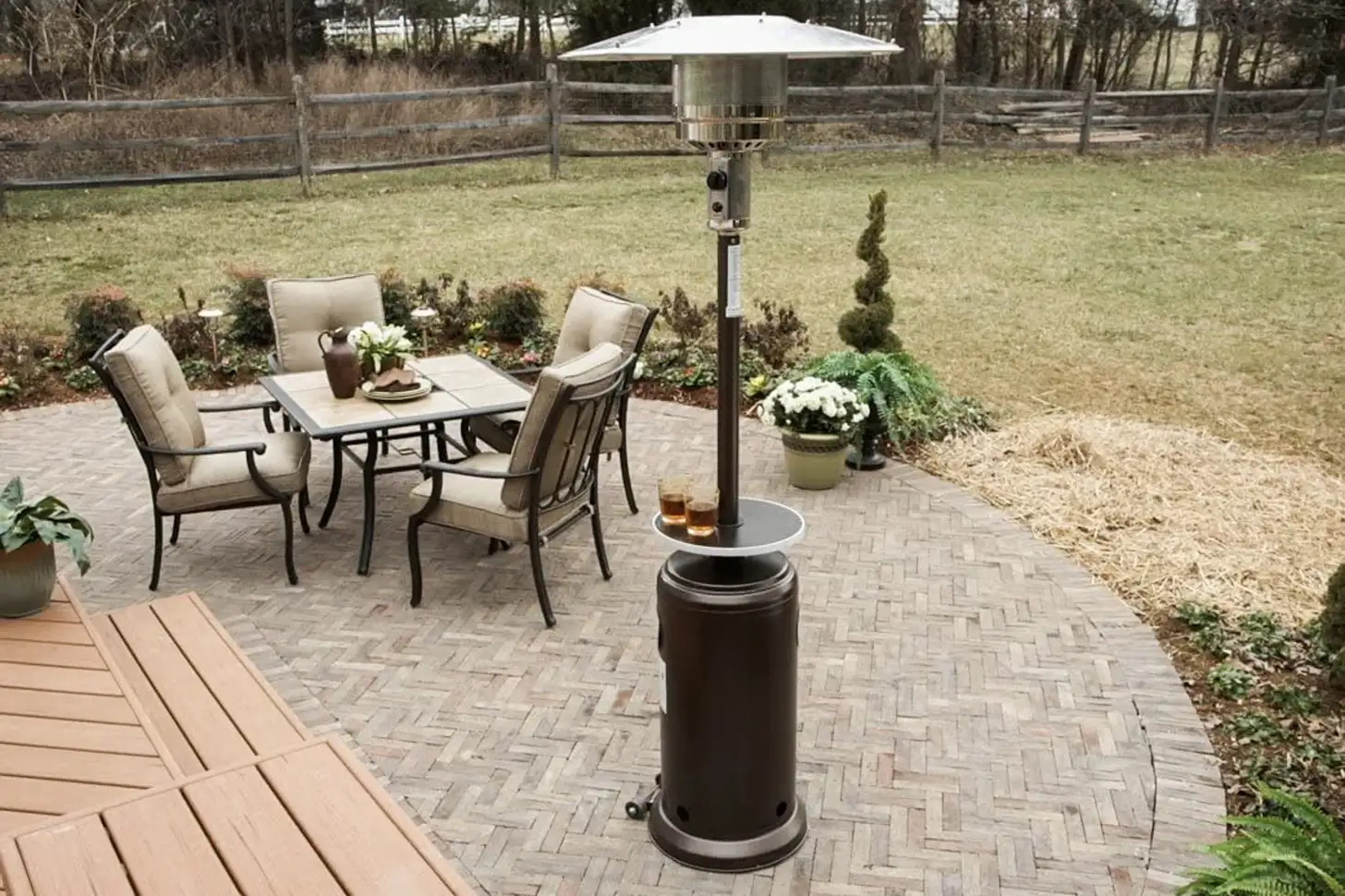
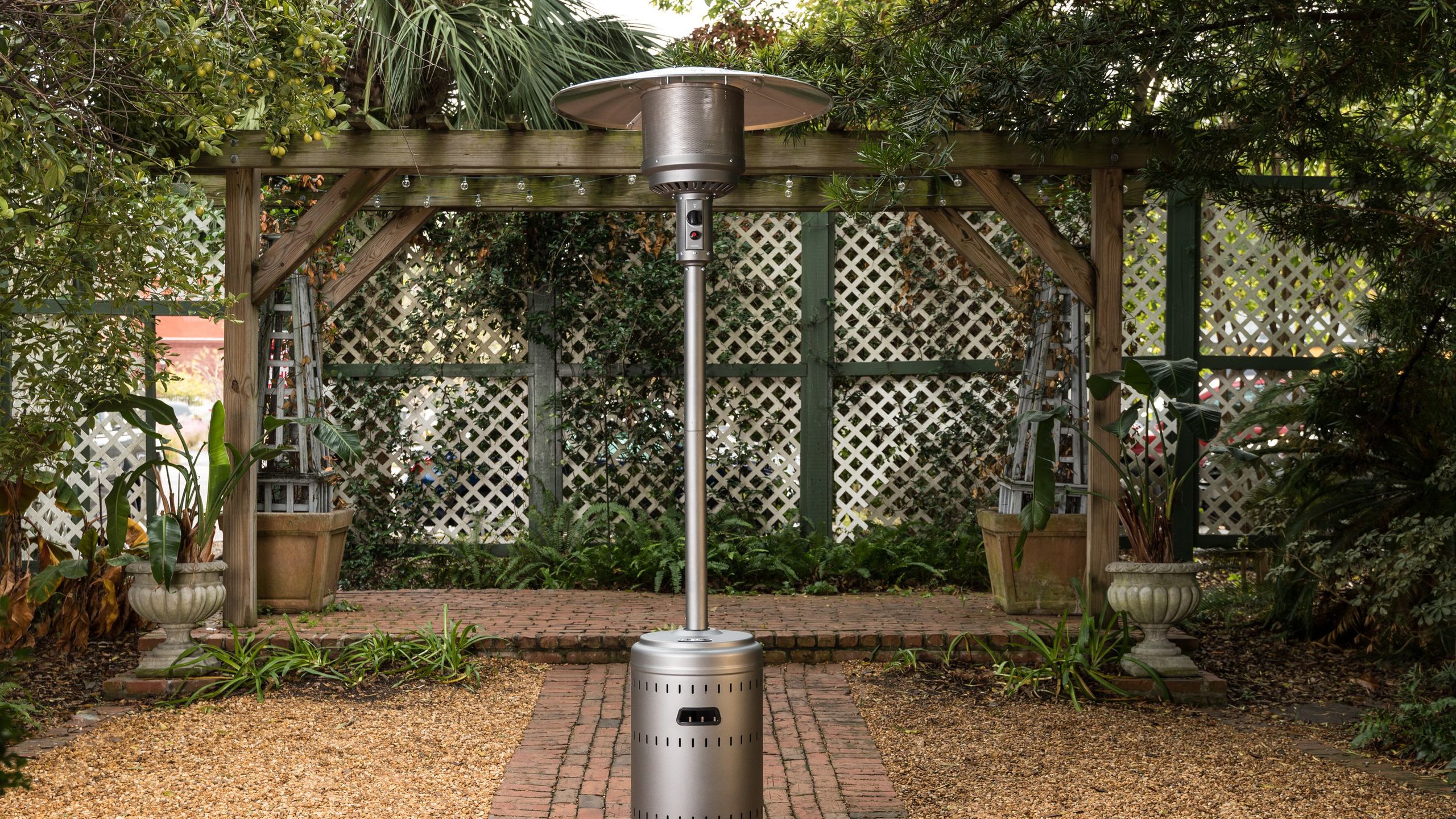
Evaluating outdoor patio heater electric vs propane US market options involves comparing heat delivery physics, infrastructure demands, and operating economics. Electric patio heaters convert electrical energy into directional infrared radiation (typically 1,500W to 6,000W per unit), heating surfaces, floors, and people directly without heating the intervening air volume. Propane patio heaters burn liquid propane (LP) gas, generating convective hot air currents alongside reflected radiant heat, measured in British Thermal Units (typically 30,000 to 50,000 BTUs per hour).
+-----------------------------------------------------------------+
|               PRIMARY HEATING METHOD COMPARISON                 |
+-----------------------------------+-----------------------------+
|     ELECTRIC INFRARED HEATERS     |    PROPANE COMBUSTION UNITS |
|  [+] Directional radiant heat     | [+] High total thermal output|
|  [+] Unaffected by ambient wind   | [+] Completely portable     |
|  [-] Demands hardwired electrical | [-] Wind dissipates heat    |
|  [-] Higher initial equipment cost| [-] Requires tank refills   |
+-----------------------------------+-----------------------------+
Core Concepts and Heat Delivery Physics
-
Electric Radiant Heating: Infrared waves travel through air without heating it directly, absorbing into solid objects (clothing, skin, furniture). This makes electric units efficient in wind-exposed zones, as moving air currents do not carry away radiant heat energy.
-
Propane Combustion Heating: Burning propane gas generates a high volume of ambient heat. While mushroom-style reflectors push some radiant heat downward, much of the thermal output relies on heating the air mass around the unit. Consequently, strong breezes blow convective warm air away, reducing overall heating performance.
Primary Operational Cost and Infrastructure Drivers in the US
-
Infrastructure Availability: Propane units operate independently of building utilities using standard 20 lb (5 gallon) LP cylinders. Electric units require access to grounded electrical circuits—standard 120V outlets support up to 1,500W (approx. 5,100 BTUs), whereas higher-output residential units (3,000W to 6,000W / 10,000 to 20,000 BTUs) demand dedicated 208V–240V circuits installed by a licensed electrician.
-
Operational Energy Rates: The average US residential electricity cost sits around $0.16 to $0.23 per kilowatt-hour (kWh), making a 1,500W electric heater cost $0.24 to $0.35 per hour to operate. Propane costs average $3.50 to $5.00 per gallon (or $17.50–$25.00 per 20 lb tank refill). A 40,000 BTU propane heater consumes roughly 1.86 lbs of fuel per hour on high, operating for 10 to 11 hours per tank at a cost of $1.60 to $2.35 per hour.
Key Categories, Power Ratings, and Form Factors
Patio heaters across the US are grouped by fuel type, structural mounting configuration, and heat distribution geometry.
| Category / Type | Power Rating & Spec | Description & Heat Range | Relative Cost & Upkeep (US) |
| Freestanding Mushroom Propane | 38,000 – 48,000 BTU | Vertical pole design with top dome reflector; covers an 8 to 12 ft radius circle. | Low Initial / High Fuel ($150–$400 unit cost) / Tank Refills |
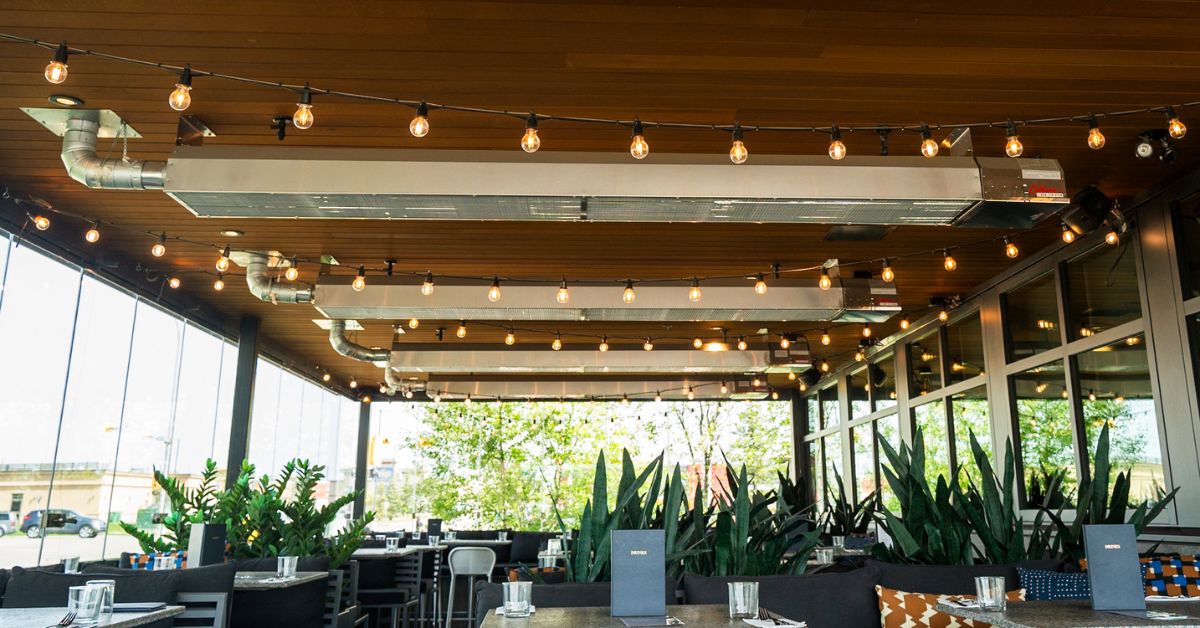
| Wall/Ceiling Electric Infrared | 1,500W – 6,000W (120V/240V) | Overhead slimline panel mounted to soffits, joists, or wall brackets; directional heat zone. | High Initial / Low Fuel ($300–$1,200 unit cost) / Low Upkeep |
| Propane Decorative Flame Tower | 36,000 – 42,000 BTU | Glass tube column showing open flame inside a metal mesh cage; visual appeal with moderate heat. | Mid Initial / High Fuel ($250–$600 unit cost) / Glass Cleaning |
| Freestanding Electric Tower | 1,500W (120V plug-in) | Portable vertical pole or tabletop electric quartz unit; localized spot heating. | Lowest Initial / Low Fuel ($100–$250 unit cost) / Low Upkeep |
| Recessed Electric Flush-Mount | 3,000W – 6,000W (240V) | Ceiling-integrated architectural panels fitted into non-combustible frame boxes. | Highest Initial / Low Fuel ($800–$2,000+ unit cost) / Pro Install |
Choosing Between Categories
Selecting a heating configuration requires balancing physical layout flexibility against operational preferences. Open, uncovered stone patios benefit from the high total heat output and portability of freestanding propane mushroom units. Conversely, covered porches, screened lanais, or wooden pergolas suit overhead electric infrared panels; electric units emit zero open flames or carbon monoxide, allowing safe operation under ceiling overhangs where clearance to combustible materials is limited.
Practical Application Scenarios Across US Climates
Different structural layouts, regional weather patterns, and fuel access options shape heater choices across US residential and commercial properties.
Scenario A: Covered Urban Porch in the Northeast (150 sq ft)
Heating an enclosed wooden porch attached to a single-family home in Pennsylvania to extend use from late March through November.
-
Components & Materials: Two 3,000W 240V shortwave electric infrared panels, dual-element wall control switch, dedicated 30A 240V circuit, heavy-gauge copper wiring.
-
Process Steps:
-
Inspect porch ceiling joists to ensure structural load support and confirm 12-inch minimum clearance to wood framing.
-
Hire a licensed electrician to run a dedicated 240V branch circuit from the main electrical breaker panel to an outdoor double-pole switch.
-
Mount infrared panels at a 30-degree angle aiming toward central seating.
-
Test circuit amp draw and verify radiant heat pattern over seating area.
-
-
Relevance: Demonstrates how electric heaters safely warm covered structures where propane combustion exhaust and vertical flame clearances make gas units hazardous, keeping operational costs around $0.90 to $1.30 per hour for both panels combined.
Scenario B: Open Suburban Deck in the Midwest (300 sq ft)
Providing flexible autumn heating for a broad, unroofed composite deck in Illinois subject to moderate evening winds.
-
Components & Materials: Two 45,000 BTU freestanding propane mushroom heaters, two 20 lb LP cylinders, vinyl weather covers, anti-tilt safety shutoff valves.
-
Process Steps:
-
Assemble vertical posts, base weights, and top reflector shields according to manufacturer specifications.
-
Inspect LP tank o-rings and perform a soapy water leak test on gas regulator hose connections.
-
Position units at diagonal corners of seating area, maintaining a 3-foot clearance from vinyl deck railings.
-
Ignite pilot via piezo igniter and adjust control valve to match wind conditions.
-
-
Relevance: Highlights unroofed residential spaces where high total heat output is needed without paying for expensive electrical subpanel upgrades, with total operating costs running $3.50 to $4.70 per hour when running both units on high.
Scenario C: Coastal Restaurant Dining Patio in California (500 sq ft)
Constructing a low-profile, commercial outdoor heating array for a wind-exposed coastal dining terrace in Northern California.
-
Components & Materials: Four 4,000W 240V marine-grade 316 stainless steel electric infrared panels, multi-zone digital control panel with wireless remote, flush-mount ceiling frames.
-
Process Steps:
-
Calculate thermal requirements to achieve 15 Watts per square foot of deck coverage under windy coastal conditions.
-
Install non-combustible ceiling cavity boxes to recess heater bodies flush with the ceiling plaster.
-
Wire heaters to a central commercial power controller connected to the restaurant’s building management system.
-
Program step-down timers to turn off heaters automatically after closing hours.
-
-
Relevance: Illustrates high-end commercial installations where zero tank management, flush architectural integration, and resistance to marine air corrosion justify higher initial equipment outlays ($6,000–$10,000 total installation).
Comparative Scenario Analysis
Covered porches rely on overhead electric heaters to comply with fire safety clearances and eliminate carbon monoxide risks. Open suburban decks favor propane units for portability and high initial heat output without electrical wiring work. Commercial outdoor venues favor hardwired electric infrared systems to eliminate manual LP tank swapping labor and maintain continuous, wind-resistant customer comfort.
Planning, Cost, and Energy Resource Allocation
Accurately evaluating the outdoor patio heater electric vs propane US decision requires comparing initial equipment purchase prices, installation labor, fuel rates, and long-term maintenance over a 5-year operating window.
| Cost Category | Electric Infrared (3,000W 240V Unit) | Propane Mushroom (45,000 BTU Unit) | Comparative Financial Notes |
| Initial Purchase Price | $400 – $1,200 | $150 – $450 | Electric panel units carry higher manufacturing costs for elements & housings. |
| Installation / Setup Fee | $500 – $1,500 (Electrician trade) | $0 – $50 (Self-assembly) | Electric requires 240V circuit installation; propane requires simple assembly. |
| Secondary Infrastructure | $0 – $300 (Subpanel upgrades) | $60 – $120 (2x 20 lb propane tanks) | Propane requires purchasing baseline fuel cylinders upfront. |
| Fuel / Energy Cost (per hour) | $0.48 – $0.69 / hr (at $0.16–$0.23/kWh) | $1.60 – $2.35 / hr (at $17.50–$25.00/refill) | Electric is significantly cheaper per hour of continuous operation in the US. |
| 5-Year Cost (500 hrs use) | $1,140 – $3,045 total | $1,010 – $1,675 total | Electric recovers higher upfront installation costs during extended multi-year use. |
Note: Figures above are national US averages in US Dollars ($). Actual costs vary by regional utility rates, electrician day rates, local propane pricing, and seasonal usage volume.
Technical Strategies, Mounting Systems, and Controls
Selecting appropriate control mechanisms, mounting hardware, and element types determines operational efficiency and thermal comfort.
+-----------------------------------------------------------------+
|                   CONTROL SYSTEM OPTIONS                        |
+-----------------------------------+-----------------------------+
|    DIGITAL ELECTRIC REGULATORS    |     PROPANE MANUAL VALVES   |
|  [+] Variable output (0% - 100%)  | [+] Infinite manual knob    |
|  [+] Automated shutoff timers     | [+] Zero electronic failure |
|  [-] Requires control module      | [-] Manual adjustment only  |
+-----------------------------------+-----------------------------+
1. Medium-Wave vs. Short-Wave Infrared Elements (Electric)
Quartz shortwave elements produce bright light with instant intense directional heat; carbon fiber medium-wave elements emit a soft amber glow with gentler, wide-area radiant heat.
-
Advantages: Carbon elements provide higher visual comfort for evening dining; quartz elements pierce through strong coastal winds.
-
Disadvantages: Shortwave quartz elements can create visual glare in dark ambient outdoor settings.
2. Duplicated 20 lb LP Cylinder Rotations (Propane)
Maintaining a 1-to-1 backup inventory of sealed 20 lb propane tanks.
-
Advantages: Prevents running out of fuel mid-gathering; allows immediate tank swaps without stopping outdoor events.
-
Disadvantages: Requires safe, ventilated outdoor tank storage space away from direct heat sources.
3. Smart Power Regulators and Timers (Electric)
SCR (Silicon Controlled Rectifier) power controllers that modulate electric current output from 0% to 100%.
-
Advantages: Allows fine-tuning heat levels to match ambient conditions; prevents energy waste; integrates with smart home systems.
-
Disadvantages: Adds $250 to $600 to electrical installation costs.
4. Natural Gas Conversion Lines (Propane Alternative)
Converting compatible portable propane heaters or natural gas post heaters to a hardwired municipal natural gas utility line.
-
Advantages: Eliminates propane tank refills entirely; lowest operational fuel cost per BTU.
-
Disadvantages: Removes heater portability; requires underground gas line plumbing ($15 to $25 per linear foot).
Safety Hazards, Code Compliance, and Risk Mitigation
Operating outdoor patio heaters requires strict adherence to fire safety codes, national electrical codes (NEC), and fuel storage guidelines.
Carbon Monoxide Accumulation in Enclosed Spaces
-
The Issue: Propane combustion releases carbon monoxide (CO), an odorless, toxic gas that causes asphyxiation in enclosed spaces.
-
Why It Happens: Operating propane heaters inside screened porches, enclosed tents, or partially walled structures without adequate ventilation.
-
Prevention: Never operate propane patio heaters indoors or inside enclosed structures. Use electric infrared heaters for covered or enclosed areas.
Overturning and Fire Hazards Under Wind Gusts
-
The Issue: Tall freestanding propane heaters (7 to 8 feet tall) blowing over in sudden windstorms, spilling hot metal onto combustible decks.
-
Why It Happens: Unweighted base bases or operating top-heavy units in wind speeds exceeding 15 mph.
-
Prevention: Fill heater base chambers with dry sand or water, use heavy base anchor kits, and ensure units feature an automatic tilt shutoff valve that cuts gas flow if tilted beyond 45 degrees.
Electrical Circuit Overloading
-
The Issue: Tripped circuit breakers, melted outlet faceplates, or electrical fires.
-
Why It Happens: Plugging high-draw 1,500W electric heaters into shared 15A residential branch circuits alongside other lighting or appliances.
-
Prevention: Plug 120V electric heaters into dedicated 20A outdoor GFCI outlets, and install dedicated 240V branch circuits for units exceeding 1,500 Watts.
Insufficient Overhead Clearance to Combustibles
-
The Issue: Charring or ignition of wooden ceilings, canvas awnings, or plastic soffits located near top heat emitters.
-
Why It Happens: Mounting heaters too close to overhead structures without reviewing manufacturer clearance specification sheets.
-
Prevention: Maintain a minimum 3-foot top and side clearance for high-output propane units, and use manufacturer-approved non-combustible heat shield brackets for electric panel installations.
Maintenance Routines and Long-Term Care Best Practices
Establishing a regular maintenance routine extends equipment lifespan, maintains thermal efficiency, and ensures operational safety.
+-----------------------------------------------------------------+
|                   SEASONAL MAINTENANCE CHECKLIST                |
+-----------------------------------------------------------------+
| SPRING / AUTUMN OPERATIONAL SERVICE:                            |
| [ ] Inspect Gas Lines: Soap-test LP hoses for micro-leaks       |
| [ ] Clean Reflectors: Wipe aluminum domes with non-abrasive soap|
| [ ] Check Electric Elements: Inspect quartz/carbon tubes for dust|
|                                                                 |
| WINTER STORAGE PREPARATION:                                     |
| [ ] Disconnect LP Tanks: Store tanks outdoors in shade          |
| [ ] Cover Freestanding Units: Install weather-resistant covers  |
+-----------------------------------------------------------------+
Ongoing Upkeep Protocol
-
Conduct Soapy Water Gas Leak Tests: Spray a 50/50 mixture of liquid dish soap and water onto propane regulator fittings, hose connections, and valve joints every time a fresh LP tank is connected. Bubbling indicates a gas leak that must be resolved before ignition.
-
Clean Aluminum Deflector Domes: Wipe down upper aluminum reflector hoods on propane units every few months. Soot and oxidized dirt diminish radiant heat reflection.
-
Inspect Electric Heating Elements: Disconnect power and clean dust or spiderwebs from electric element reflector housings using compressed air or a soft microfiber cloth. Dirty reflectors reduce heating efficiency by absorbing energy meant to radiate outward.
-
Protect During Off-Seasons: Cover freestanding propane and electric portable units with heavy-duty, UV-resistant vinyl covers during summer months to prevent spiders from nesting inside burner venture tubes or control boxes.
Project Documentation and Operational Logs
Maintaining accurate equipment records simplifies warranty claims, ensures safety compliance for commercial venues, and tracks seasonal energy expenses.
Recommended Record Keeping Binder
Keep a dedicated physical or digital maintenance file containing:
-
Purchase Invoices and Spec Sheets: Store original receipts, model numbers, BTU/Wattage ratings, and manufacturer installation manuals.
-
Electrical / Mechanical Permits & Certificates: Keep copies of electrician trade permits, 240V circuit installation sign-offs, and municipal code inspection receipts.
-
Safety Inspection Logs: Document seasonal gas leak tests, element replacements, and tank safety inspections.
Sample Operational Log Entries
LOG ENTRY 1: ELECTRICAL INSTALLATION & TEST
- Date: October 12, 2026
- Technician: Certified Master Electricians Inc. (License #EL-99412)
- Unit Installed: 2x 3,000W 240V Electric Infrared Panel Heaters
- Circuit Specs: Dedicated 30A 240V circuit with double-pole outdoor switch
- Inspection Status: Passed municipal electrical code inspection (Permit #E-88120)

LOG ENTRY 2: PROPANE UNIT SAFETY CHECK
- Date: November 02, 2026
- Service Action: Seasonal prep for 2x 45,000 BTU Propane Mushroom Heaters
- Leak Test Results: Soapy water test performed on LP hose connection (No leaks found)
- Maintenance Performed: Replaced piezo igniter battery; cleaned aluminum reflector dome
- Tank Inventory: 2x Full 20 lb LP cylinders installed (2x backup tanks stored outdoors)
Closing Summary
Evaluating outdoor patio heater electric vs propane US options requires balancing initial infrastructure costs against operational safety, fuel efficiency, and structural mounting constraints. Propane heaters offer low upfront costs, high total heat output, and complete mobility for open, unroofed spaces. Electric infrared heaters demand higher initial investments and professional electrical installations, but provide clean, directional, wind-resistant heat with significantly lower hourly operating costs and zero carbon monoxide emissions—making them the ideal choice for covered porches, lanais, and long-term architectural builds.
Frequently Asked Questions (FAQ)
Which costs less to run per hour: electric or propane patio heaters?
Electric patio heaters are significantly cheaper to run per hour in most US regions. A standard 1,500W (120V) electric heater costs roughly $0.24 to $0.35 per hour to operate based on national average electricity rates ($0.16–$0.23/kWh). A standard 40,000 BTU propane heater consumes fuel at a rate of $1.60 to $2.35 per hour based on average 20 lb propane tank refill costs ($17.50–$25.00).
Can I use a propane patio heater under a covered deck or porch?
Generally, no. Propane patio heaters emit carbon monoxide gas and require substantial vertical and lateral clearance to combustible materials (typically 3 to 4 feet minimum above the top reflector hood). Operating them under low wooden porch roofs, ceilings, or inside screened enclosures presents severe fire and asphyxiation hazards. Electric infrared heaters are recommended for covered outdoor structures.
Do electric patio heaters work in windy weather?
Yes. Electric patio heaters use infrared radiant energy, which travels through the air in direct waves to warm solid objects (people, floors, furniture) directly without heating the air volume. Propane heaters rely heavily on heating ambient air, which is easily blown away by wind gusts.
Do I need a professional electrician to install an electric patio heater?
Standard 1,500-Watt 120-Volt electric heaters can be plugged directly into an existing outdoor GFCI wall outlet. However, high-output heaters (3,000 Watts to 6,000 Watts) require 208V or 240V electrical supplies and must be hardwired on dedicated circuits by a licensed electrician to comply with National Electrical Code (NEC) standards.