Pine Timber Decking Price NZ: 2026 Cost & Selection Guide
Pine Timber Decking Price NZ: A Comprehensive Planning and Cost Guide
Radiata pine (Pinus radiata) remains the most widely specified timber for residential outdoor decks across New Zealand. Sourced from vast domestic plantation forests, treated radiata pine offers Kiwis an accessible, structurally sound, and budget-friendly material to expand outdoor living spaces. However, evaluating the total financial commitment of a pine deck requires analyzing board grades, chemical treatment hazards, framing substructures, regional trade labor rates, and ongoing maintenance obligations.
Accurately projecting a project budget requires looking beyond basic retail tags per lineal meter. Understanding how raw material pricing translates into installed square-meter costs involves assessing visual board grades (such as Premium versus Merchant grade), profile sizes, copper preservative formulations, site accessibility, and subframe construction under the New Zealand Building Code (NZBC). This guide details current New Zealand supply and installation pricing, breaks down key structural categories, offers practical building scenarios, outlines budgeting frameworks, and highlights long-term maintenance practices.
Overview of Pine Timber Decking Price NZ
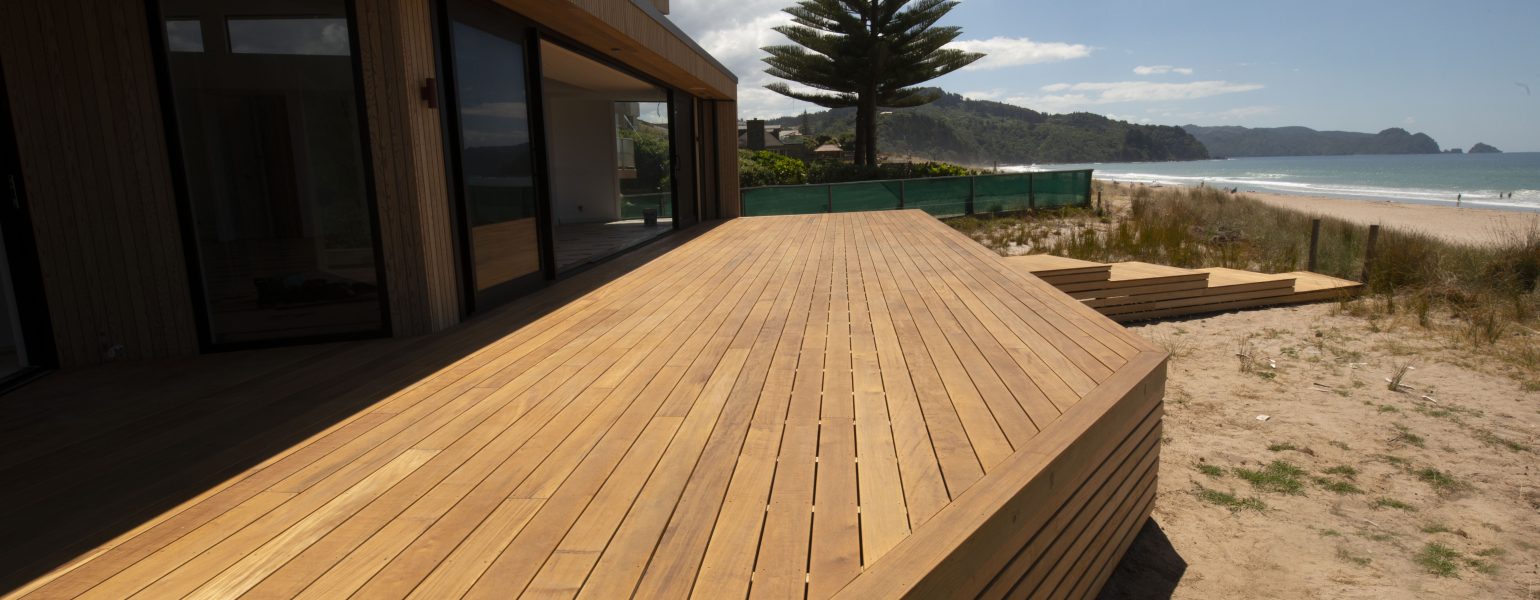
Evaluating the pine timber decking price NZ market shows a supply-only material rate of $3.00 to $6.50+ NZD per lineal meter for standard 90x19mm or 140x32mm boards. Converted to a square-meter ($m^2$) surface material metric, pine boards generally run between $45 and $95 NZD per $m^2$ depending on visual timber grade and thickness.
When incorporating structural subframe timber (H4 piles and H3.2 joists), hardware fixings, concrete footings, site excavation, and professional carpentry labor, fully installed costs across New Zealand typically land between $300 and $500+ NZD per $m^2$ for standard ground-level platforms. Elevated builds requiring safety balustrades or building consent can push installed rates to $500–$800+ per $m^2$.
+-----------------------------------------------------------------+
|            NZ INSTALLED PINE DECK COST RANGE (PER M²)           |
|                         $300.00 - $500.00+ NZD                  |
+-----------------------------------------------------------------+
| [= Boards: $45-$95/m² =] [= Framing/Piles: $55-$105/m² =] [= NZ Labor: $200-$300+/m² =] |
+-----------------------------------------------------------------+
Core Material Concepts
Radiata pine is a fast-growing softwood that undergoes industrial pressure treatment to resist rot, fungal decay, and insect attack in New Zealand’s damp maritime climate. Under New Zealand standards (NZS 3640), pine used for decking boards must be treated to at least H3.2 hazard class for above-ground exterior exposure subjected to weather. Framing posts embedded in soil or concrete require H4 or H5 hazard class ratings.
Regional Cost Drivers and Building Codes
-
Linear Meter vs. Square Meter Calculations: Decking timber is purchased per lineal meter. Standard 90mm wide boards require approximately 10.5 lineal meters to cover one square meter (accounting for standard 5mm gaps), whereas wider 140mm boards require roughly 6.9 lineal meters.
-
Building Consent Thresholds: Under Schedule 1 of the New Zealand Building Act, detached decks where the surface height does not exceed 1.5 meters above ground level generally do not require formal building consent. Avoiding consent fees ($1,500 to $4,000+ NZD) significantly lowers upfront expenses.
-
Regional Labor Dynamics: Trade labor day rates vary across regions. Major urban markets like Auckland and Queenstown sit at the higher end of installation pricing, while regional provincial towns present more moderate carpentry rates.
Key Categories, Grades, and Profile Specifications
New Zealand timber merchants sort treated radiata pine decking into distinct visual grades, board thicknesses, and surface textures. Selecting the appropriate board profile balances visual finish against project budget limits.
| Category / Type | Board Profile / Dimensions | Description & Features | Relative Cost & Effort Level (NZD) |
| Merchant Grade (Merch) | 90x19mm or 140x19mm | Budget grade; allows tight knots, occasional resin pockets, and minor surface character. | Lowest Board Cost ($3.00–$4.20/LM) / Sorting Effort |
| Premium Grade (Clear / Select) | 90x19mm or 140x19mm | High visual grade; virtually knot-free on the primary face with smooth, tight grain. | Mid-Range Cost ($4.50–$6.50/LM) / Standard Effort |
| Heavy-Duty Commercial Grade | 100x40mm (90x32mm dressed) | Thicker board profile providing superior span strength and high impact resistance. | Highest Board Cost ($6.00–$8.50/LM) / Heavier Handling |
| Griptread Profile (Reeded) | 90x19mm or 140x19mm | Features longitudinal surface grooves on one side designed to improve traction underfoot. | Standard Premium Cost ($4.50–$6.20/LM) / Standard Effort |
| Micro-Capped (MCA Treated) | 90x19mm or 140x19mm | Treated with Micronized Copper Azole; presents a lighter natural timber tone than green CCA. | Mid-to-High Cost (5–10% premium over CCA) |
Choosing Between Grades and Profiles
When evaluating board profiles, consider the intended visual outcome and foot traffic requirements. Merchant grade timber provides an authentic, rustic finish for budget-focused rear gardens, provided the installer accepts minor board sorting during construction. Premium grade boards are ideal for high-visibility entryways and main outdoor entertaining areas. While reeded “Griptread” surfaces are often selected for wet or sloped areas, smooth-faced boards installed with proper gap spacing are generally easier to sand, clean, and re-stain over time.
Practical Project Scenarios Across New Zealand Regions
Site access, ground slope, sub-deck ventilation, and elevation determine overall deck construction expenses across New Zealand homes.
Scenario A: Simple Ground-Level Family Deck in Christchurch (20 $m^2$)
Constructing a low-profile 4×5-meter rectangular deck replacing a worn lawn area in a flat suburban backyard with clear side gate access.
-
Components & Materials: 210 LM of 90x19mm Premium H3.2 CCA treated pine boards, H4 treated ground posts, H3.2 timber joists (400mm centers), hot-dip galvanized deck screws.
-
Process Steps:
-
Excavate topsoil 100mm deep, lay geotextile weed fabric, and cover with a 50mm compacted gravel drainage bed.
-
Dig post footings 400mm deep and set H4 posts in concrete (Postcrete).
-
Frame an H3.2 joist grid at 400mm centers; apply self-adhesive joist protection tape.
-
Lay 90x19mm pine boards using stainless or galvanized screws, maintaining 5mm drainage gaps.
-
-
Relevance: Demonstrates a straightforward ground-level build under the 1.5m consent height limit, keeping total professional installation costs between $6,000 and $9,000 NZD.
Scenario B: Raised Urban Entertainment Deck in Auckland (30 $m^2$)
Building an elevated 30 $m^2$ outdoor deck extending off a second-story lounge in an urban home, raised 1.2 meters off the ground with steps and safety balustrades.
-
Components & Materials: 210 LM of 140x32mm heavy-duty pine boards, H4 125x125mm structural support posts, H3.2 structural bearers and joists, timber and aluminum balustrade kit.
-
Process Steps:
-
Excavate deep concrete pier footings to meet structural engineering requirements for clay soil.
-
Mount H3.2 ledger board to house structure using flashing and code-approved structural ledger bolts.
-
Erect post-and-bearer substructure; construct a 6-riser stair assembly.
-
Secure heavy-duty pine decking boards and fit a 1-meter high code-compliant safety balustrade.
-
-
Relevance: Illustrates how elevated framing, structural post-work, stairs, and safety handrails increase labor and hardware requirements, bringing total costs to $15,000 – $24,000 NZD.
Scenario C: High-Humidity Coastal Deck in Nelson / Bay of Plenty (25 $m^2$)
Installing a ground-level deck adjacent to a coastal home, exposed to salt air, high humidity, and intense summer sun.
-
Components & Materials: 260 LM of 90x19mm MCA-treated pine boards, H4 treated timber piles, marine-grade Grade 316 stainless steel screws, penetrating timber oil.
-
Process Steps:
-
Excavate sand/soil base, install drainage aggregate, and place H4 piles below grade.
-
Assemble subframe using 316 stainless steel joist hangers and framing brackets.
-
Pre-drill and countersink MCA-treated pine decking boards to prevent end-splitting.
-
Apply a coat of penetrating oil after initial timber seasoning to protect against salt air drying.
-
-
Relevance: Highlights coastal applications where upgrading to MCA-treated timber and 316-grade stainless steel hardware prevents premature corrosion and chemical staining, setting total costs around $9,500 to $14,000 NZD.
Comparative Scenario Analysis
Flat, ground-level suburban platforms under 1.5 meters represent the most budget-friendly installations by avoiding consent fees and complex post-work. Raised urban decks introduce mandatory safety balustrades, heavy structural post framing, and stair carpentry, driving up installed square-meter rates. Coastal installations prioritize non-corrosive Grade 316 stainless hardware and specialized timber oils to counter salt spray and intense sun exposure.
Planning, Budgeting, and Resource Allocation
Proper financial planning requires breaking down a project into material supply, subframe hardware, footings, site prep, and trade labor. The sample budget below outlines typical expenses for a standard 20 $m^2$ ground-level pine deck build in New Zealand.
| Category | Estimated Amount / Effort (20 m2 Deck NZD) | Explanation | Optimization Tips |
| Pine Decking Boards | $900 – $1,900 ($45–$95/m²) | 90x19mm or 140x19mm H3.2 treated pine decking. | Purchase full random-length packets from timber yards to lower per-meter unit rates. |
| Subframe Timber & Piles | $700 – $1,400 ($35–$70/m²) | H4 foundation piles, H3.2 joists, bearers, postcrete. | Use standard 400mm joist center spacing to optimize timber usage without sag. |
| Hardware & Fasteners | $250 – $550 | Galvanized or 316 stainless steel screws, joist tape, ledger bolts. | Buy bulk 1,000-count screw tubs rather than small retail boxes. |
| Site Prep & Drainage | $300 – $600 | Excavation, weed membrane, crushed drainage rock, soil removal. | Perform basic manual sod clearing yourself to reduce contractor site prep fees. |
| Deck Oil / Stain (Initial) | $120 – $250 | High-quality oil or translucent stain + applicator equipment. | Oil boards after drying to seal wood fibers against moisture absorption. |
| Professional Trade Labor | $4,000 – $7,500 ($200–$375/m²) | Carpentry labor for excavation, framing, board fitting, trimming. | Book construction during late autumn or winter to secure better trade rates. |
Note: Figures above are estimates in New Zealand Dollars (NZD) including GST, based on national market averages. Actual contractor quotes vary based on regional labor markets, local council guidelines, and specific timber merchant pricing.
Technical Strategies, Subframe Choices, and Support Options
Selecting proper hardware, framing timber, and fixing techniques ensures a radiata pine deck withstands New Zealand’s variable weather conditions.
+-----------------------------------------------------------------+
|                  FASTENING METHOD COMPARISON                    |
+-----------------------------------+-----------------------------+
|   HOT-DIP GALVANIZED FASTENERS    | STAINLESS STEEL (GRADE 305/316)|
|  [+] Budget-friendly hardware     | [+] Superior corrosion defence|
|  [-] Vulnerable to marine air rust| [+] Essential for coastal sites|
|  [-] Can stain around screw holes | [-] Higher initial hardware cost|
+-----------------------------------+-----------------------------+
1. H3.2 Kiln-Dried Treated Pine Joists
Structural radiata pine framing timber treated for above-ground weather exposure.
-
Advantages: Economical; widely available across all New Zealand timber merchants; lightweight and easy to frame on site.
-
Disadvantages: Can absorb surface moisture and rot if rainwater pools on top edges without protective tape.
2. Pre-Drilling and Countersinking Fasteners
Drilling pilot holes and clearance countersinks into board ends before driving deck screws.
-
Advantages: Prevents end-grain splitting on pine boards; ensures screw heads sit flush without tearing surface wood fibers.
-
Disadvantages: Increases manual installation labor time during board fitting.
3. Self-Adhesive Butyl Joist Flashing Tape
Waterproof flashing membrane applied along the top face of subframe joists before board placement.
-
Advantages: Seals around screw penetrations and prevents trapped rainwater from rotting joist tops, extending frame life.
-
Disadvantages: Adds minor material expense and an extra installation step during framing.
4. Micronized Copper Azole (MCA) Treatment
Modern timber treatment technology utilizing finely ground copper particles rather than traditional chemical solutions.
-
Advantages: Lighter, more natural pine color; less corrosive to standard metal fasteners than older CCA formulas.
-
Disadvantages: Slightly higher purchase cost per lineal meter than standard CCA pine.
Safety Hazards, Risks, and Common Pitfalls
Failing to account for wood shrinkage, chemical treatments, or moisture physics can cause structural defects or premature board failure.
Installing Saturated Boards Without Shrinkage Clearance
-
The Issue: Gaps between boards becoming excessively wide or uneven as the timber cures.
-
Why It Happens: Wet, freshly treated pine contains high internal moisture and shrinks horizontally as it dries outdoors.
-
Prevention: Install wet-treated boards with narrow 3mm to 4mm gaps; dry or kiln-dried boards should be spaced at 5mm to 6mm to allow for winter moisture swelling.
Fastener Corrosion and Timber Staining
-
The Issue: Screw heads rusting, snapping, or causing dark chemical rings around fastener holes in coastal environments.
-
Why It Happens: Standard carbon steel or low-grade electro-plated screws react with moisture and copper treatment chemicals.
-
Prevention: Always use hot-dip galvanized screws for inland builds and Grade 316 stainless steel fasteners for marine or coastal zones.
Inadequate Sub-Deck Ventilation
-
The Issue: Boards cupping, bowing, or developing surface mold due to trapped ground moisture beneath low-profile platforms.
-
Why It Happens: Enclosing deck perimeters tightly with solid fascia boards without leaving airflow clearance.
-
Prevention: Maintain a minimum 150mm clear air void over soil (or 50mm over concrete) and leave open ventilation slots around perimeter fascia boards.
Omitting Field-Treatment on Cut Ends
-
The Issue: Internal core rot developing at timber end-cuts and drilled post holes.
-
Why It Happens: Chemical pressure treatments do not always penetrate to the absolute core of thick pine lumber.
-
Prevention: Brush a field-applied timber preservative (such as copper naphthenate) onto all raw end-cuts and drilled holes during construction.
Seasonal Maintenance and Long-Term Care Best Practices
Although H3.2 treated pine resists internal decay, regular surface maintenance protects wood fibers from solar UV cracking and water absorption.
+-----------------------------------------------------------------+
|                   SEASONAL UPKEEP CHECKLIST                     |
+-----------------------------------------------------------------+
| ANNUAL SPRING CARE:                                             |
| [ ] Surface Scrub: Wash with mild timber cleaner & soft broom   |
| [ ] Clear Gaps: Sweep leaves/pine needles out of drainage slots |
|                                                                 |
| EVERY 18-24 MONTHS:                                             |
| [ ] Water-Bead Test: Check if rain absorbs or beads on surface  |
| [ ] Re-Staining: Apply 1-2 coats of penetrating deck oil/stain  |
+-----------------------------------------------------------------+
Upkeep Protocol Guidelines
-
Perform Annual Spring Cleaning: Wash the deck surface every spring using warm water, mild oxygen-bleach timber cleaner, and a soft-bristle broom to remove surface grime, pollen, and algae spores.
-
Apply Penetrating Oil or Stain: Re-apply a quality oil-based or water-based penetrating deck stain every 18 to 24 months. Penetrating oils soak into wood pores to prevent surface checking and graying without forming a film that can peel.
-
Keep Expansion Channels Clear: Sweep leaves, sand, and pine needles out of board gaps to maintain free water runoff.
-
Avoid High-Pressure Spraying: Do not hold high-pressure washers close to the wood face, as excessive pressure can gouge soft pine fibers.
Project Documentation and Record Keeping
Maintaining organized project records supports product warranty claims, simplifies oil re-coating schedules, and assists with home resale disclosures.
Recommended Record Keeping Folder
Keep a physical or digital project file containing:
-
Lumber Invoices & Delivery Dockets: Invoices specifying lineal meter quantities, board dimensions, visual grades, and chemical treatment levels (e.g., H3.2, H4).
-
Fastener Specs & Receipts: Receipts verifying hot-dip galvanized or stainless steel screw grades.
-
Stain Product Details: Keep photos or cans showing the exact brand, color tint name, and batch number of the decking oil used for consistent future maintenance.
Sample Project Documentation Logs
LOG ENTRY 1: MATERIAL DELIVERY & SPECS
- Date: November 12, 2026
- Supplier: NZ Building Supplies Merchant (Invoice #NZ-88412)
- Profile Purchased: 90x19mm Premium H3.2 CCA Treated Radiata Pine
- Volume Purchased: 220 Lineal Meters ($4.50/LM)
- Fasteners: Hot-Dip Galvanized 10g x 60mm Decking Screws

LOG ENTRY 2: INITIAL COATING & MAINTENANCE
- Installation Complete: November 24, 2026
- Timber Seasoning: Allowed 4 weeks drying outdoor weather
- Initial Coating: December 22, 2026 (Applied 2 coats of Natural Cedar Oil)
- Next Scheduled Maintenance: Spring 2028
Closing Summary
Evaluating the pine timber decking price NZ buyers face requires converting lineal meter rates ($3.00–$6.50/LM) into total square-meter coverage ($45–$95/m²), then adding structural subframes, hardware, and trade labor fees ($300–$500+/m² installed). By selecting the appropriate board grade, protecting subframe framing with joist tape, using corrosion-resistant fasteners, and applying penetrating timber stain every two years, New Zealand homeowners can build an outdoor deck that provides performance for decades.
Frequently Asked Questions (FAQ)
What is the average cost per square meter for a pine deck in New Zealand?
Material-only costs for radiata pine decking boards range from $45 to $95 NZD per square meter. A fully installed ground-level pine deck—including piles, subframe joists, hardware, and trade labor—typically costs between $300 and $500 NZD per square meter.
What hazard treatment level is required for pine decking in NZ?
Under New Zealand standards, surface decking boards exposed to weather must be treated to at least H3.2 hazard class. Structural support posts or piles embedded in soil or concrete require H4 or H5 hazard class treatment to prevent rot.
Do I need building consent to build a pine deck in NZ?
Decks where the surface height does not exceed 1.5 meters above ground level generally do not require building consent under Schedule 1 of the Building Act. However, decks exceeding 1.5 meters, or those attached to buildings in specific ways, require formal building consent and safety balustrades.
How long does a treated pine deck last in New Zealand?
A properly installed H3.2 treated pine deck typically lasts 15 to 25+ years in New Zealand. Regular maintenance—such as annual cleaning and applying a penetrating timber oil or stain every 18 to 24 months—significantly extends overall board lifespan.