Vitex Decking Installation Cost NZ: 2026 Price & Guide
Vitex Decking Installation Cost NZ: A Comprehensive Planning & Budgeting Guide
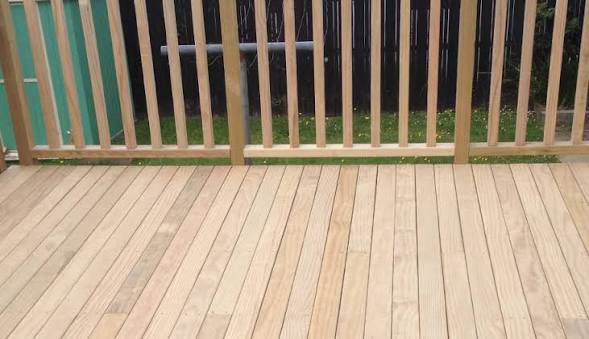
Vitex (Vitex cofassus) is widely regarded as one of the premier timber species for residential and commercial outdoor decks across New Zealand. Sourced primarily from responsibly managed community forestry schemes in the Solomon Islands, Vitex is a dense, naturally durable hardwood. It is celebrated for its pale cream to olive-gold hue, which gracefully weathers into a soft silver-grey tone if left unsealed. Unlike some alternative hardwoods, Vitex offers exceptional dimensional stability and experiences minimal tannin leaching, making it an attractive choice for contemporary coastal and urban homes.
However, calculating the total financial commitment of a Vitex deck requires evaluating far more than just retail board tags per lineal meter. Determining the true vitex decking installation cost NZ homeowners encounter involves analyzing timber grades, subframe framing materials, stainless steel fixing hardware, site access constraints, municipal building consent fees, and local carpentry labor rates. This guide breaks down the core pricing components of Vitex decking in New Zealand, details structural installation variations, presents practical project scenarios, outlines realistic budgeting frameworks, and highlights long-term care practices.
Overview of Vitex Decking Installation Cost NZ
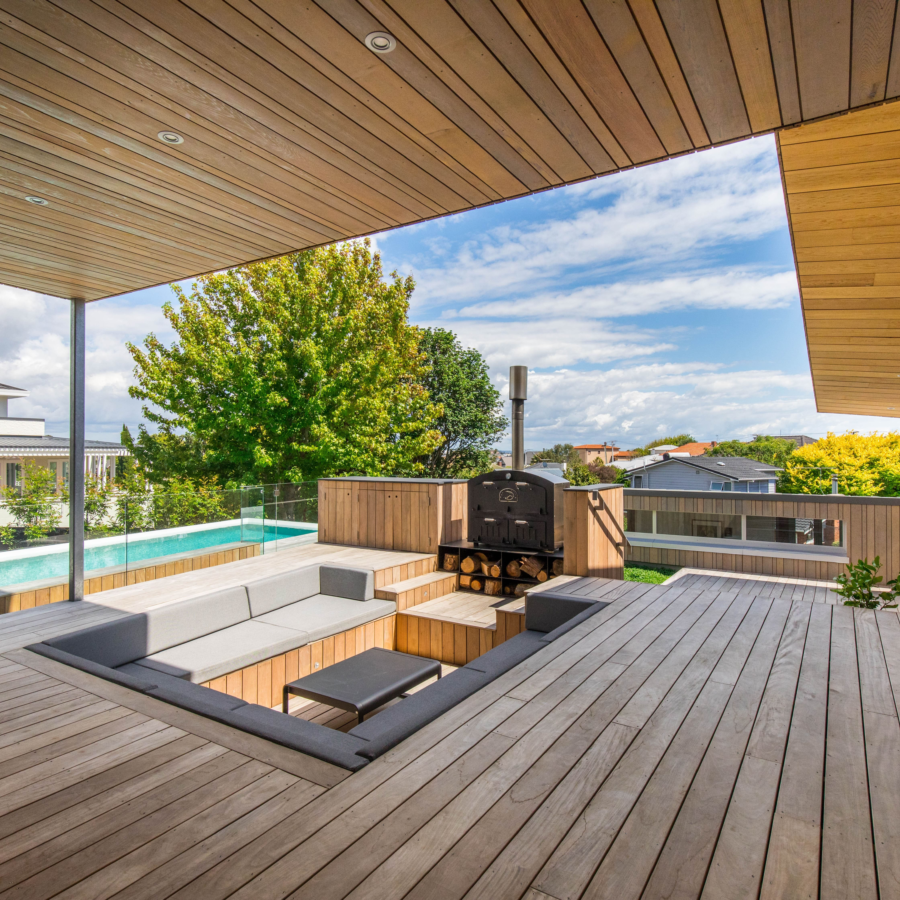
Evaluating the vitex decking installation cost NZ market shows a supply-only board price range of $15.00 to $22.00+ NZD per lineal meter ($LM$) depending on board width (e.g., 90x19mm versus 140x19mm). Converted to a surface coverage metric, raw Vitex boards generally cost between $120 and $180 NZD per square meter ($m^2$).
When incorporating structural subframe timber (typically H3.2 treated pine joists and H4/H5 piles), concrete footings, joist flashing tape, marine-grade stainless steel fasteners, site excavation, and professional carpentry labor, fully installed projects across New Zealand typically range between $380 and $600+ NZD per $m^2$. Elevated decks requiring safety balustrades or formal building consent can reach $650 to $850+ per $m^2$.
+-----------------------------------------------------------------+
|              NZ INSTALLED VITEX COST RANGE (PER M²)             |
|                         $380.00 - $600.00+ NZD                  |
+-----------------------------------------------------------------+
| [= Boards: $120-$180/m² =] [= Subframe/Piles: $70-$120/m² =] [= NZ Labor: $190-$300+/m² =] |
+-----------------------------------------------------------------+
Core Material Concepts
Vitex is classified as a Class 2 natural durability hardwood, offering an expected above-ground service life of 20 to 25+ years without synthetic chemical pressure treatment. It possesses a high density and Janka hardness rating, providing excellent resistance to surface indentation, fungal decay, and insect attack.
Regional Drivers and Regulatory Standards in New Zealand
-
Linear Meter to Square Meter Conversion: Vitex is sold by the lineal meter. Standard 90mm wide boards require roughly 10.5 lineal meters to cover one square meter (accounting for 5mm spacing gaps), whereas wider 140mm boards require approximately 6.9 lineal meters.
-
Building Consent Thresholds: Under Schedule 1 of the New Zealand Building Act, detached decks where the surface fall height does not exceed 1.5 meters generally do not require formal building consent. Avoiding consent fees ($1,500 to $4,000+ NZD) keeps baseline installation costs manageable.
-
Tannin Bleeding Control: Compared to alternative hardwoods like Kwila (Merbau), Vitex contains significantly lower levels of water-soluble tannins. This makes it safer to install over light concrete paving, light-colored house plaster, or around swimming pool surrounds without severe staining risks.
Key Categories, Profiles, and Material Specifications
New Zealand timber merchants supply dressed Vitex decking in several standard board profiles, surface finishes, and pre-coating options. Selecting the right configuration balances visual scale against installed labor expenses.
| Category / Profile | Board Dimensions | Description & Characteristics | Relative Cost & Effort Level (NZD) |
| Standard 90x19mm (Smooth) | 90mm W x 19mm T | Classical narrow board profile; dressed smooth with pencil-round edges. | Lowest Board Cost ($15.00–$17.50/LM) / Standard Laying Time |
| Wide Board 140x19mm (Smooth) | 140mm W x 19mm T | Modern wide-profile board; creates a clean, expansive, contemporary architectural grid. | Mid-Range Cost ($17.50–$22.00/LM) / Faster Coverage Rate |
| Heavy-Duty 140x25mm (Solid) | 140mm W x 25mm T | Extra-thick hardwood board offering maximum structural stiffness for high-traffic zones. | Highest Material Cost ($22.00–$28.00/LM) / Heavy Handling |
| Pre-Oiled Vitex Boards | Various Profiles | Machine-coated on all 4 sides at the mill with a protective penetrating oil layer. | Mid-to-High Cost (Adds $1.50–$2.50/LM over raw timber) |
| Random-Length Bundles | Mixed (1.8m to 4.8m) | Standard commercial timber supply packed in mixed random lengths. | Standard Market Rate (Requires end-joint trimming) |
Choosing the Right Profile Width
Selecting between 90mm and 140mm board profiles involves balancing raw material pricing against site installation labor. Narrow 90mm boards carry a lower cost per lineal meter but require driving roughly 40% more screws and laying more individual pieces. Wide 140mm boards carry a higher per-meter price point but install significantly faster across large areas, making total installed labor costs surprisingly similar.
Practical Project Scenarios Across New Zealand Regions
Site access, ground slope, coastal exposure, and sub-deck ground moisture dictate overall construction pricing across New Zealand homes.
Scenario A: Flat Courtyard Platform in Auckland (20 $m^2$)
Replacing a worn concrete pad with a low-profile 90x19mm smooth Vitex deck over a flat backyard space with narrow villa side-access.
-
Components & Materials: 210 LM of 90x19mm Vitex boards, H3.2 treated timber subframe joists (400mm centers), rubber isolation support feet, Grade 305 stainless steel screws.
-
Process Steps:
-
Transport materials manually through narrow residential side passage by hand.
-
Lay low-profile joist subframe over rubber support feet to allow sub-deck water drainage across concrete.
-
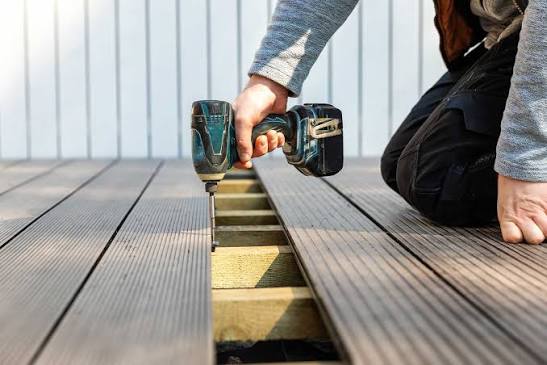
Pre-drill and countersink all Vitex boards to prevent end-grain splitting.
-
Fasten boards leaving 5mm expansion gaps and apply a clear penetrating timber oil.
-
-
Relevance: Represents a typical urban retrofit where low ground clearance and manual material transport bring total professional installation costs to $8,500 – $12,500 NZD.
Scenario B: Elevated Suburban Entertainment Deck in Wellington (35 $m^2$)
Constructing a raised outdoor entertaining deck attached to a residential home in Wellington, elevated 1.2 meters off sloping clay soil with steps and perimeter safety glass.
-
Components & Materials: 250 LM of 140x19mm Vitex decking, H4 structural support posts, H3.2 structural bearers and joists, butyl joist protective tape, frameless glass balustrade kit.
-
Process Steps:
-
Excavate concrete pier footings 600mm to 900mm deep to anchor posts below wind and soil movement zones.
-
Mount H3.2 ledger board to house rim joist using code-approved flashing and structural bolts.
-
Construct joist grid at 400mm centers; apply self-adhesive butyl flashing tape along joist tops.
-
Install 140x19mm Vitex boards using stainless steel screws; fit code-compliant glass safety balustrade.
-
-
Relevance: Demonstrates how elevated post-work, heavy clay footings, and safety balustrades increase project scope, setting total installed costs between $18,000 and $28,000 NZD.
Scenario C: Coastal Entertainment Deck in Nelson / Bay of Plenty (45 $m^2$)
Building a coastal outdoor platform exposed to salt air, high winds, and intense UV sunlight overlooking the sea.
-
Components & Materials: 320 LM of 140x19mm Vitex decking, H4 timber piles, Grade 316 marine-grade stainless steel screws, factory pre-oiled surface protection.
-
Process Steps:
-
Core drill concrete pier footings into coastal rock/soil substrate.
-
Assemble subframe using Grade 316 stainless steel structural brackets and joist hangers.
-
Lay factory-oiled Vitex boards with 316-grade stainless fasteners.
-
Apply a secondary topcoat of marine-grade penetrating timber oil after initial board settlement.
-
-
Relevance: Highlights coastal builds where Vitex’s low tannin property combined with Grade 316 stainless hardware prevents salt corrosion and timber checking, setting total costs from $22,000 to $34,000+ NZD.
Comparative Scenario Analysis
Flat urban courtyard builds prioritize low-profile subframe drainage and manual access logistics. Elevated suburban projects balance ground-post engineering with safety balustrades. Coastal installations prioritize marine-grade Grade 316 stainless fixings and factory-precoated boards to survive salt air and UV exposure.
Planning, Budgeting, and Resource Allocation

Proper financial preparation requires itemizing board materials, framing timber, footings, fixings, waste disposal, and trade labor. The sample budget below outlines typical expenses for a standard 25 $m^2$ residential Vitex deck project in New Zealand.
| Category | Estimated Amount / Effort (25 m2 Deck NZD) | Explanation | Optimization Tips |
| Vitex Surface Boards | $3,000 – $4,500 ($120–$180/m²) | Smooth 90x19mm or 140x19mm Vitex hardwood boards. | Order full-packet quantities from timber yards to secure trade pricing. |
| Subframe Timber & Piles | $1,500 – $2,500 ($60–$100/m²) | H4 timber piles, H3.2 joists, bearers, postcrete. | Use pressure-treated softwood (H3.2 pine) for hidden subframes to save costs. |
| Fixings & Hardware | $400 – $800 | Grade 305/316 stainless steel screws, joist tape, ledger bolts. | Buy bulk 1,000-count screw tubs rather than small retail boxes. |
| Factory Pre-Coating / Oil | $200 – $450 | Mill-applied penetrating oil coating on 4 sides. | Select factory-oiled boards to protect timber during construction. |
| Site Prep & Skip Hire | $350 – $700 | Excavation, weed fabric, drainage gravel, waste bin. | Perform basic manual sod clearing yourself to lower contractor fees. |
| Professional Trade Labor | $4,750 – $7,500 ($190–$300/m²) | Carpentry labor for site prep, framing, board laying, trimming. | Book installation crews in autumn/winter for better trade availability. |
Note: Figures above are estimates in New Zealand Dollars (NZD) including GST based on market averages. Actual quotes vary based on council regulations, site slopes, and supplier pricing.
Technical Strategies, Subframe Options, and Fixing Systems
Selecting the right subframe components and fixing technologies ensures a Vitex deck withstands New Zealand’s variable weather conditions.
+-----------------------------------------------------------------+
|                  SUBFRAME MATERIAL SELECTION                    |
+-----------------------------------+-----------------------------+
|    H3.2 TREATED PINE TIMBER JOISTS|   ALUMINUM OR STEEL SUBFRAME|
|  [+] Economical initial purchase  | [+] 100% rot and decay proof|
|  [+] Easy to cut and alter on site| [+] Perfectly straight spans|
|  [-] Requires joist protection    | [-] Higher material outlay  |
+-----------------------------------+-----------------------------+
1. H3.2 Kiln-Dried Treated Pine Subframes
Structural radiata pine framing timber treated for above-ground weather exposure.
-
Advantages: Economical; widely available across all New Zealand timber merchants; lightweight and easy to frame on site.
-
Disadvantages: Can absorb surface moisture and rot if rainwater pools on top edges without protective tape.
2. Pre-Drilling and Countersinking Fasteners
Drilling pilot holes and clearance countersinks into board ends before driving stainless steel screws.
-
Advantages: Prevents end-grain splitting on dense Vitex timber; ensures screw heads sit perfectly flush without tearing surface wood fibers.
-
Disadvantages: Increases manual installation labor time during board fitting.
3. Self-Adhesive Butyl Joist Flashing Tape
Waterproof flashing membrane applied along the top face of subframe joists before board placement.
-
Advantages: Seals around screw penetrations and prevents trapped rainwater from rotting joist tops, extending frame life.
-
Disadvantages: Adds minor material expense and an extra installation step during framing.
4. Factory Pre-Coating Services
Ordering Vitex boards that have received an initial flood-coat of penetrating oil on all four sides at the processing mill.
-
Advantages: Protects timber from rapid moisture loss or rain absorption during transport and fitting; ensures undersides are sealed.
-
Disadvantages: Adds $1.50 to $2.50 per lineal meter to initial material invoices.
Safety Risks, Structural Challenges, and Common Pitfalls
Working with high-density Vitex hardwood requires avoiding common structural and material management errors.
Fastener Corrosion and Timber Staining
-
The Issue: Screws rusting, staining wood, or snapping under thermal stress.
-
Why It Happens: Using carbon steel or low-grade electro-plated fasteners in exterior environments.
-
Prevention: Always specify Grade 305 stainless steel screws for inland builds and Grade 316 marine-grade stainless steel for coastal zones.
Driving Screws Without Pre-Drilling
-
The Issue: Screw heads snapping off mid-drive or timber cracking near board ends.
-
Why It Happens: Vitex is a dense hardwood that resists direct screw penetration without relief holes.
-
Prevention: Always use specialized pilot-bit countersink tools before driving stainless steel screws.
Inadequate Sub-Deck Air Ventilation
-
The Issue: Boards cupping, bowing, or developing surface mold due to trapped ground moisture beneath low-profile platforms.
-
Why It Happens: Enclosing deck perimeters tightly with solid fascia boards without leaving airflow clearance.
-
Prevention: Maintain a minimum 150mm clear air void over soil (50mm over concrete) and leave continuous ventilation slots around perimeter fascia boards.
Installing Wet Boards Without Shrinkage Clearance
-
The Issue: Gaps between boards becoming excessively wide or uneven as the timber cures.
-
Why It Happens: Saturated hardwood boards shrink horizontally as they dry outdoors.
-
Prevention: Install air-dried or kiln-dried Vitex boards with a consistent 4mm to 5mm expansion gap using plastic deck spacers.
Maintenance Routines and Long-Term Care Best Practices
Although Vitex possesses high natural durability, regular surface maintenance preserves timber color and prevents surface checking.
+-----------------------------------------------------------------+
|                   SEASONAL MAINTENANCE ROUTINE                  |
+-----------------------------------------------------------------+
| INITIAL WEATHERING (WEEKS 1-8):                                 |
| [ ] Light Washdown: Rinse deck periodically to clear dirt       |
| [ ] Initial Sealing: Apply penetrating oil once boards settle   |
|                                                                 |
| ANNUAL CARE:                                                    |
| [ ] Spring Wash: Clean with mild oxygen-bleach timber wash      |
| [ ] Re-Oiling: Apply 1-2 coats of penetrating oil (Every 12-18m)|
+-----------------------------------------------------------------+
Ongoing Upkeep Protocol
-
Allow Natural Weathering or Apply Oil: Homeowners can choose to let Vitex weather naturally into a silver-grey tone, or apply a penetrating timber oil every 12 to 18 months to retain its golden-olive hue.
-
Apply Penetrating Timber Oils: Coat the deck with a high-quality oil-based or water-based penetrating oil. Penetrating oils absorb into dense wood pores without forming a surface film that can peel or flake.
-
Clear Expansion Gaps: Sweep leaves, pine needles, and sand out of the 5mm expansion gaps between boards to preserve water runoff channels.
-
Avoid High-Pressure Washing: Do not hold high-pressure washers close to the wood face, as excessive pressure can gouge hardwood fibers.
Project Documentation and Record Keeping
Maintaining organized project records supports product warranty claims, simplifies oil re-coating schedules, and assists with home resale disclosures.
Recommended Record Keeping Folder
Keep a physical or digital project file containing:
-
Lumber Invoices & Delivery Dockets: Invoices specifying lineal meter quantities, board profiles, species, and supplier details.
-
FSC Environmental Sourcing Certifications: Copies of forestry certificates proving sustainable community timber harvesting.
-
Stain / Oil Product Details: Keep photos or cans showing the exact brand, color tint name, and batch number of the decking oil used for consistent future maintenance.
Sample Project Documentation Logs
LOG ENTRY 1: MATERIAL PURCHASE & SPECS
- Date: February 14, 2026
- Supplier: NZ Timber Merchant (Invoice #NZ-88412)
- Profile Purchased: 140x19mm Smooth Dressed Vitex Hardwood (Solomon Islands origin)
- Quantity Purchased: 280 Lineal Meters ($18.50/LM)
- Fasteners: Grade 316 Stainless Steel 10g x 50mm Decking Screws

LOG ENTRY 2: INITIAL COATING & UPKEEP SCHEDULE
- Installation Complete: February 28, 2026
- Factory Pre-Coating: Factory oil coat applied prior to delivery
- Topcoat Applied: March 20, 2026 (Applied 1 coat of clear penetrating timber oil)
- Next Maintenance Due: March 2027
Closing Summary
Evaluating the vitex decking installation cost NZ homeowners face requires converting lineal meter rates ($15.00–$22.00/LM) into total square-meter coverage ($120–$180/m²), then adding structural subframes, hardware, site preparation, and trade labor fees ($380–$600+/m² installed). By selecting the appropriate board width, pre-drilling pilot holes, using marine-grade stainless fasteners, protecting framing with joist tape, and maintaining a regular oiling routine, New Zealand property owners can build a durable outdoor deck that lasts for decades.
Frequently Asked Questions (FAQ)
What is the average cost to install a Vitex deck per m² in New Zealand?
Fully installed Vitex decking in New Zealand generally costs between $380 and $600+ NZD per square meter. This includes Vitex surface boards ($120–$180/m²), structural subframe materials ($70–$120/m²), stainless steel fixings, and professional carpentry labor ($190–$300+/m²).
Does Vitex decking bleed tannins like Kwila?
No. Vitex contains significantly lower levels of water-soluble tannins than Kwila (Merbau). While Kwila bleeds heavy dark red-black tannins that can stain concrete paving, Vitex leaches minimal color, making it much safer for installation over concrete slabs or around pool copings.
How do I calculate how many lineal meters of Vitex decking I need?
For standard 90mm wide boards (installed with a 5mm gap), multiply your total deck square meterage ($m^2$) by 10.5 lineal meters. For 140mm wide boards (with a 5mm gap), multiply by 6.9 lineal meters. Always add a 10% waste allowance for end-cuts.
Does Vitex decking need to be pre-drilled before screwing?
Yes. Vitex is a dense tropical hardwood. Driving decking screws directly without pre-drilling will snap screw shafts or split the board ends. Always drill a clearance pilot hole and countersink rose into every fastener point before driving stainless steel screws.